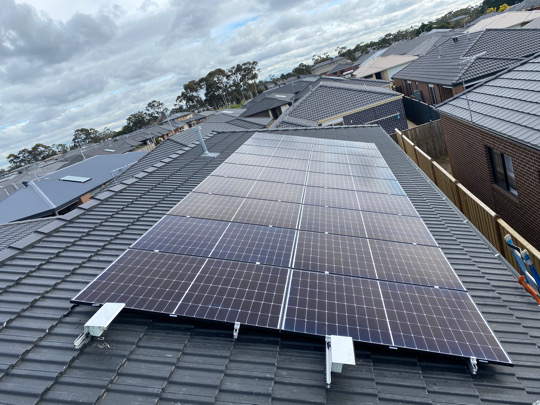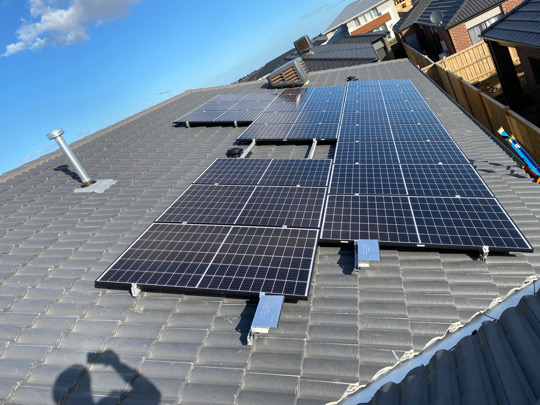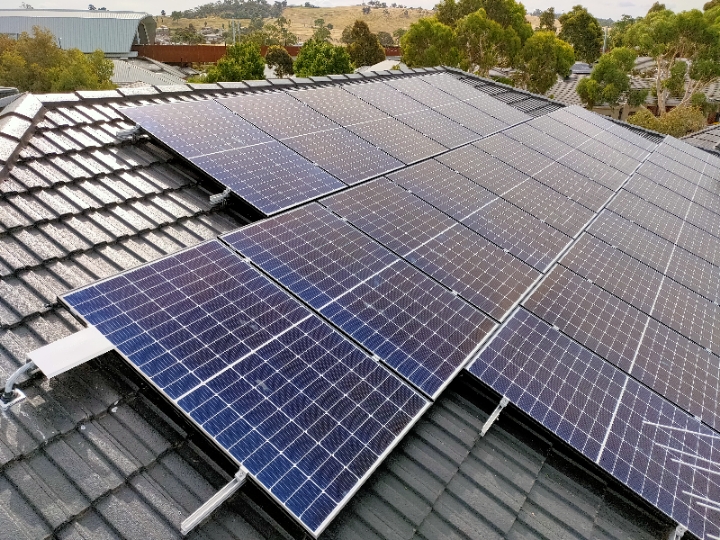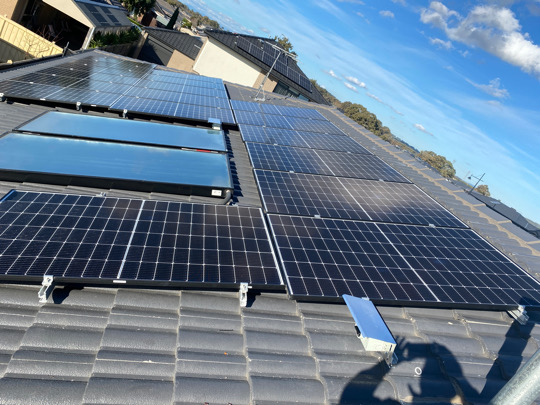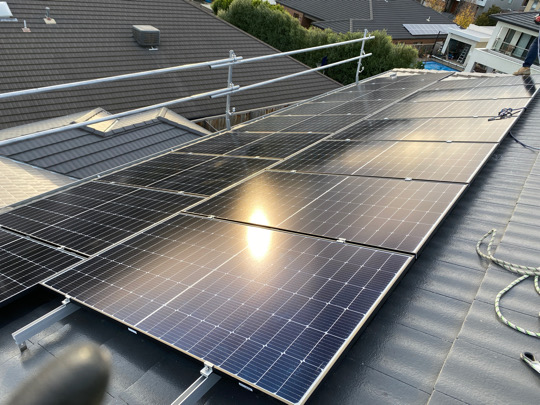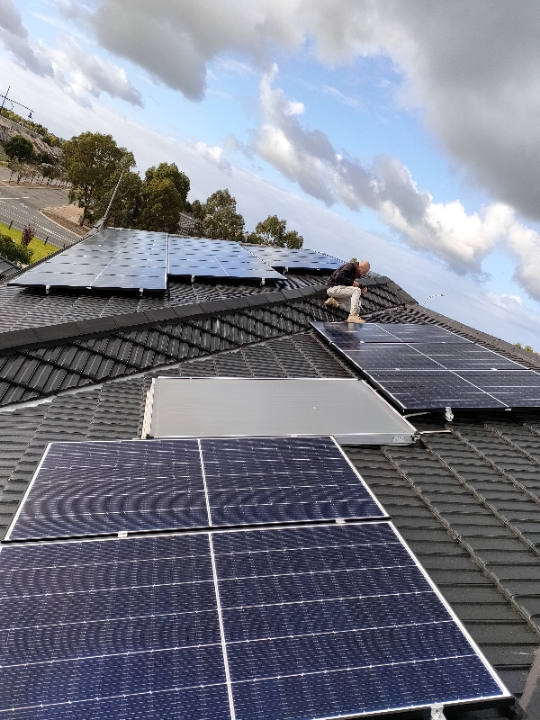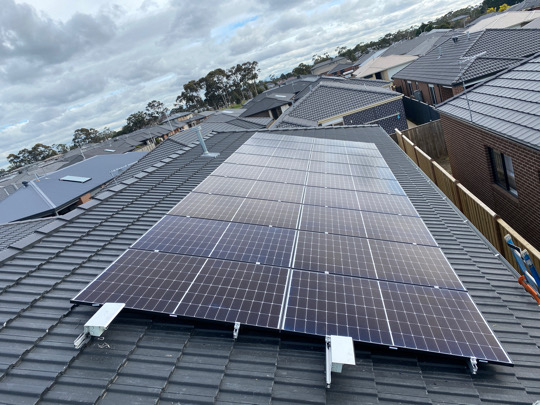
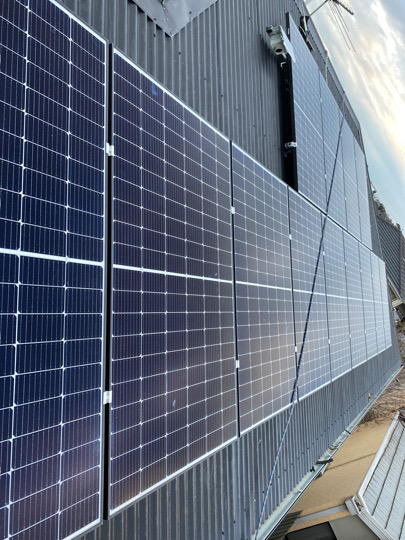
Residential Solar Panel
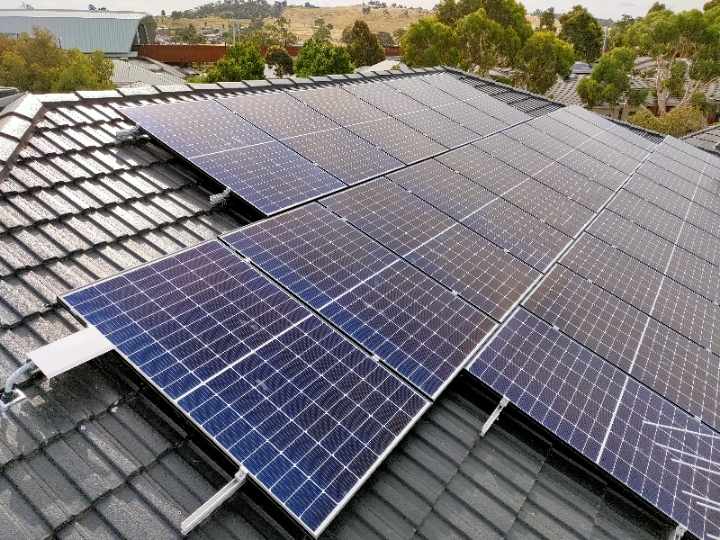
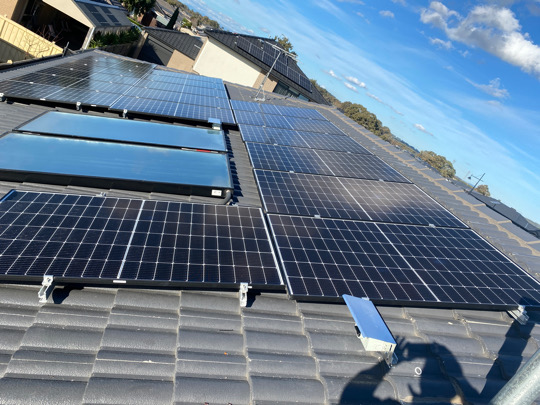
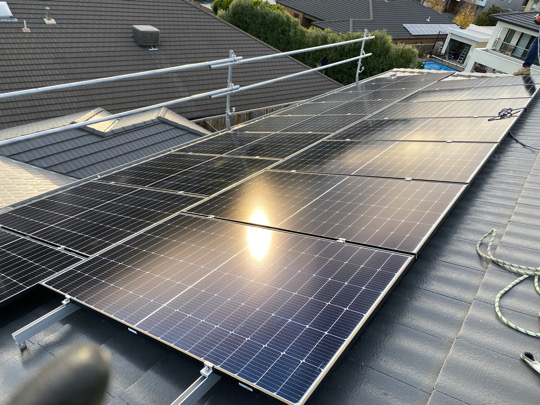
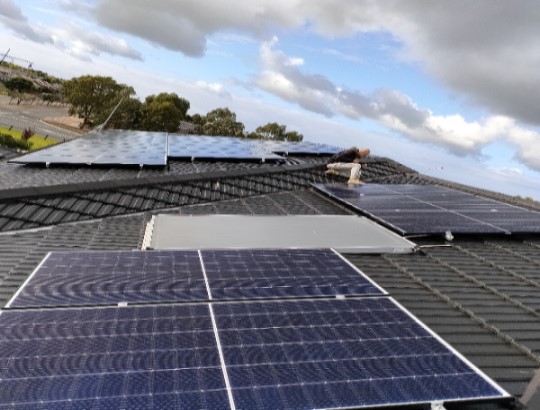
Australia receives the highest solar radiation per square meter compared to other continents, offering residential solar system a huge market. For remote Australian communities, residential solar panel has been in use for years. This system has proven most effective for Australians and continues as a thriving idea.
How Solar Panels Work?
Solar energy is set to trigger a change of dynamics when it comes to energy utilization/consumption. Solar energy is energy provided by the sun in the form of radiation. When the sun emits radiation, it makes it possible for solar electricity to be produced. In order for this mechanism to occur, the process requires certain materials that absorb energy and convert it. Several materials used to construct panels with exhibit this effect known as the photovoltaic effect. Photovoltaic cells convert light energy into electricity. Solar energy produces little to no emissions as it functions. One megawatt hour of solar electricity counteracts about 1 tonne of C02, making it a clean source of production. Since PV panels are made from silicon, they pose no danger or risk of toxins or fumes leaking, making them safe and reliable. What makes solar energy renewable is the free resource of energy. Contrary to fossil fuels, sunlight is sustainable and inexhaustible.